Kava vs Alcohol: How They Differ Socially and Culturally
Kava and alcohol often get mentioned in the same breath because both show up in social settings. People gather around them. Conversations stretch. Evenings take a shape. Beyond that shared role, the plants, the customs, and the flavors sit in different worlds.
This piece looks at those differences as culture and lifestyle—not as a medical comparison, not as advice about safety or impairment, and not as a claim that one is "better" for your body. If you are deciding what belongs in your own evenings, that choice is personal. We are here to explain how the two traditions differ on the social side.
Two Different Social Histories
Alcohol has a long presence in European, Middle Eastern, African, and Asian food cultures. Wine at a table, beer at a pub, spirits at a celebration—the forms change, but the social pattern is familiar across many regions.
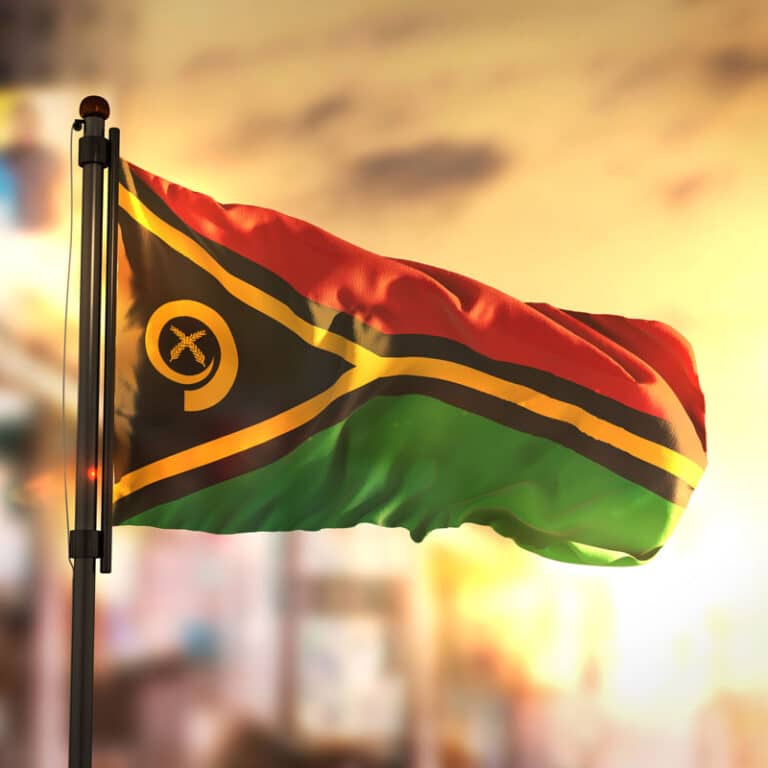
Kava's story is Pacific. In Fiji, Tonga, Samoa, Vanuatu, and neighboring islands, the root has been part of welcome ceremonies and community gatherings for centuries. Guests are served from a shared bowl. Speaking, listening, and sitting together matter as much as the drink. The custom is built around presence, not around a cocktail menu.
When people in the United States compare kava and alcohol, they are often comparing a Pacific plant tradition with a Western drinking culture that has different rituals, different flavors, and different expectations of the night.
Ritual and Setting
An alcohol-centered gathering might mean a bar stool, a bottle passed at a party, or a toast at dinner. Music, volume, and pace vary widely.
A traditional kava setting is quieter by design. People sit. The bowl is prepared in view. Servings come in turn. The pace is deliberate. Modern kava bars in the U.S. borrow some of that atmosphere—low lighting, conversation, bowls or cups instead of a shot rail—without pretending to be a village ceremony.
Neither setting is "correct." They simply aim at different kinds of evenings.
Taste and Format
Alcohol spans sweet, bitter, smoky, crisp, and everything in between. Kava does not try to match that range. The classic drink is earthy, woody, and lightly peppery, with a soft tingle on the tongue. Many first-timers find it unusual. That is normal. Our guide to what kava tastes like walks through the flavor in more detail.
Formats diverge too:
- Alcohol arrives as beer, wine, spirits, cocktails, and ready-to-drink cans.
- Kava arrives as a traditional strained drink, kava tea style preparations, instant mix, ready-to-drink shots, softgels, and gummies.
If you want to try the classic preparation at home, how to make kava covers the kneading method and quicker options. For a broader product view, see Källava's kava products.
The Sober-Curious Angle (Lifestyle, Not Prescription)
"Sober-curious" has become a common phrase for people who want social time without alcohol, or with less of it. Some choose mocktails. Some choose earlier nights. Some look for other plants and drinks that already have a social tradition behind them.
Kava often appears in that conversation because Pacific culture already treats the bowl as a gathering drink. Choosing kava in that context is a lifestyle preference—about the kind of evening you want—not a medical program, not addiction treatment, and not a substitute recommended by this site for any health purpose.
People also compare kava with other botanicals. Our kava vs kratom page covers that pairing on its own terms if you are exploring the wider landscape.
Sourcing Still Matters
If you do try kava, the plant variety and origin shape taste and quality the way grape variety and region shape wine—without making the two drinks the same. Growers talk about noble cultivars as the group traditionally preferred for daily drinking. Källava sources noble kava from Vanuatu for that reason. Read more under types of kava.
Practical Questions People Ask
Is kava legal where I live? Laws vary by country and sometimes by locality. For a U.S.-focused overview written for shoppers, see is kava legal in the US?. That article is educational, not legal advice. Check your own rules if you are unsure.
Can I drink both in one night? This site does not give guidance on combining substances. Make your own informed choices and follow local laws and any advice from professionals you trust.
Will a kava bar feel like a regular bar? Some elements overlap—friends, conversation, a place to sit. The menu, the pace, and the cultural reference points are different. Visit once and decide if the atmosphere fits you.
FAQ
Is kava a type of alcohol?
No. Kava is made from the root of Piper methysticum. Alcoholic drinks are fermented or distilled. They are different products with different cultural roots.
Why do people compare them?
Mostly because both appear in social gatherings. The comparison is about the role in an evening, not about chemistry or medical outcomes.
Does choosing kava mean I am "sober curious"?
Not necessarily. Some people enjoy kava because they like the taste and the ritual. Others are exploring nights with less alcohol. Both reasons are cultural and personal.
Where should I start if I want to try kava?
A small traditional preparation, a visit to a kava bar, or a simple ready format like a shot or instant mix are common starting points. Pick the format that matches how you like to spend an evening.
Kava and alcohol can share a calendar without sharing a story. One grew up around Pacific bowls and ceremony. The other grew up around tables, pubs, and toasts. Knowing that difference is enough to choose the night you actually want.