Kava Tea: What It Is and How to Prepare It
Kava tea is one of the simplest ways to meet kava. If you have seen the phrase on a menu or a label and wondered what you would actually be drinking, this guide walks through it: what kava tea is, where it comes from, and how to prepare a cup at home.
What Is Kava Tea?
Kava is a plant, Piper methysticum, grown across the South Pacific for centuries. The root is dried and ground, then mixed with water. The result is often called kava tea, although it is not a tea in the strict sense. There are no tea leaves involved. It is a root infusion, closer to a traditional drink than to a bag of black tea.
In Fiji, Tonga, Samoa and Vanuatu, kava is a ceremonial drink. People sit together, share a bowl, and talk. The drink is part of welcome ceremonies, community gatherings and everyday evenings. It is known for a mild, earthy taste and a numbing feel on the tongue.
Why Noble Kava From Vanuatu Matters
Not every kava root is the same. Growers in the Pacific describe varieties as noble or non-noble. Noble kava is the group of cultivars that islanders have traditionally preferred for daily drinking, and Vanuatu is especially well known for growing it. When you shop for kava, look for products that say noble kava and name Vanuatu as the origin. It tells you the maker is paying attention to the plant they start with.
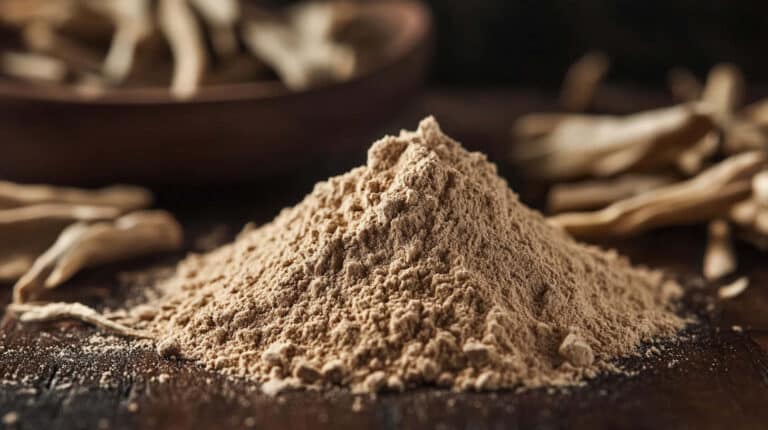
Roots from Vanuatu are usually dried, milled to a fine powder and sold in bags. That powder is what you use for kava tea.
What Does Kava Tea Taste Like?
Most people describe the flavor as earthy, a bit woody and slightly peppery. Some say it reminds them of muddy water, and that is not entirely unfair. It is not sweet, and it is not meant to be. Your lips and tongue may feel a light tingle or numbness after a few sips, which is normal for kava.
If the taste is new to you, try a small cup first. You can always make more.
What You Need to Make Kava Tea
- Noble kava powder (or an instant kava powder)
- Warm water, not boiling
- A fine strainer, a muslin bag or a nut milk bag
- A bowl or large cup
- A spoon, and a little patience
How to Prepare Kava Tea, Step by Step
- Warm the water. Aim for lukewarm to comfortably warm. Very hot water is not needed and can change the flavor.
- Add the powder to the bag. Place a few tablespoons of ground kava in a muslin bag and set it in a bowl. Follow the serving size on the package you bought.
- Pour in the water. Add about two cups of warm water over the bag.
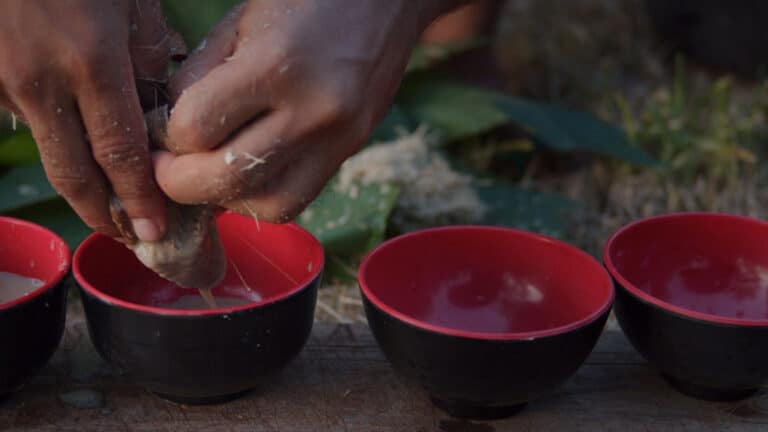
- Knead. Squeeze and knead the bag in the water for several minutes. The water turns a cloudy tan or brown. This is the step that makes the drink.
- Strain and squeeze. Wring out as much liquid as you can, then discard the pulp.
- Serve. Pour into a cup and drink it soon after, since kava settles as it sits. Stir before sipping.
Traditional preparation takes a few minutes of work, and many people enjoy that part of it. If you want something quicker, an instant option skips the kneading entirely.
A Quicker Way: Instant Kava
Instant kava is a micronized powder that mixes right into water. You stir it in, wait a moment, and it is ready. If you are brand new, it is a low-effort way to try the flavor before you invest in a bowl and strainer. You can find it on our Instant Kava page. If you would rather have something ready to drink, take a look at Kava Shots, and you can browse everything we make on the kava products page.
Tips for a Better Cup
- Start small. Try half a serving the first time and see how you like it.
- Drink it fresh. The sediment settles quickly, so stir often.
- Keep it cool and dry. Store powder in a sealed bag away from light and moisture.
- Add flavor if you like. A splash of coconut water or a little fruit juice on the side can soften the taste. Some people chase it with a piece of fruit.
- Sip slowly. Kava is traditionally shared and enjoyed over conversation, not rushed.
Kava Tea in a Social Setting
In the islands, kava is almost never a solo activity. A bowl is mixed, the first cup goes to the guest of honor, and the rest is passed around. At home, you can borrow the idea: make a larger batch, pour a few cups, and sit down with friends. It is a relaxing ceremonial drink, and part of the appeal is simply taking a slow evening together.
If you are curious about the culture, it is worth reading more about how Vanuatu and other island nations treat kava as part of daily life. Respect for the plant and the people who grow it goes a long way.
Frequently Asked Questions
Is kava tea the same as regular tea?
No. Regular tea comes from the leaves of the tea plant. Kava tea is made from the ground root of the kava plant mixed with water.
Does kava tea contain caffeine?
Kava is not a tea-plant product, and it is not known as a caffeinated drink. If you are sensitive to ingredients, check the label of any product you buy.
Can I use hot water?
Warm water is the usual choice. Boiling water is not necessary for kneading kava powder.
How long does prepared kava last?
It is best the day you make it. Keep leftovers covered in the refrigerator and drink them within a day, and stir well before serving.
Where should I buy kava?
Look for noble kava from Vanuatu from a seller that is clear about sourcing. You can start from our kava products page.
Kava products are sold as dietary supplements and beverages. These statements have not been evaluated by the FDA, and the information here is for general interest only.