What Is Noble Kava?
Shop for kava long enough and the word "noble" shows up on bags, menus, and product pages. It sounds like marketing. In the Pacific kava trade it is closer to a grower's shorthand—a way of naming cultivar groups that island communities have preferred for everyday drinking.
This article explains that terminology as sourcing and variety language. It is not a medical classification, and nothing here is a health claim.
Noble Kava in Plain Terms
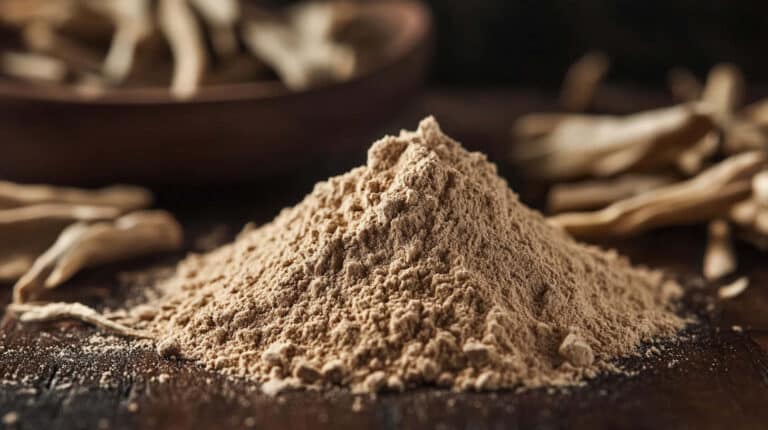
Kava is the plant Piper methysticum. Over generations, Pacific growers selected many cultivars. Within the trade and among traditional drinkers, those cultivars are often discussed in broad groups. "Noble" is the label commonly used for the varieties historically favored for regular social drinking.
When a brand says "noble kava," it is signaling which plant group it started with. The phrase does not, by itself, describe a finished product's quality control, freshness, or preparation. Those still depend on how the root is dried, milled, stored, and made into a drink or other format.
For a wider map of how people sort kava, see types of kava and our kava comparison page.
Noble vs Tudei: Industry Language, Not a Clinic Label
You will also hear the word "tudei" (sometimes written "two-day") in kava conversations. In industry and grower talk, that label refers to another group of cultivars with a different reputation among traditional drinkers—often reserved for occasional or specific use rather than daily social bowls.
A few points keep this comparison honest:
- These are variety and tradition labels, passed through farming communities and the export trade.
- They are not FDA categories, medical diagnoses, or clinical grades.
- Individual plants, growing conditions, and processing still vary inside any broad label.
Treat "noble" and "tudei" as vocabulary you will meet on packaging and forums—not as a substitute for reading a brand's sourcing story or trying a product for yourself.
Why Vanuatu Comes Up So Often
Vanuatu sits near the center of Pacific kava culture and is widely known for noble cultivars. Farms there have supplied root for local ceremonies and for export for a long time. When shoppers look for noble kava, Vanuatu is one of the origins they see named most often.
Origin is useful information. It tells you where the plant grew and which farming traditions shaped it. It does not automatically mean every bag from that country tastes the same. Soil, island, cultivar, and drying practice still create differences from farm to farm.
Why Sourcing Matters for Taste and Quality
Kava's flavor is earthy and a little peppery. How clean that flavor feels—and how consistent a product tastes from batch to batch—depends heavily on the root that went into it. Starting with cultivars that drinkers have long preferred for everyday bowls is one way makers aim for a familiar profile.
Sourcing also affects:
- Consistency. Knowing the cultivar group and region helps a brand repeat a flavor customers recognize.
- Transparency. A named origin (for example, Vanuatu noble kava) is easier to evaluate than a vague "Pacific blend" with no detail.
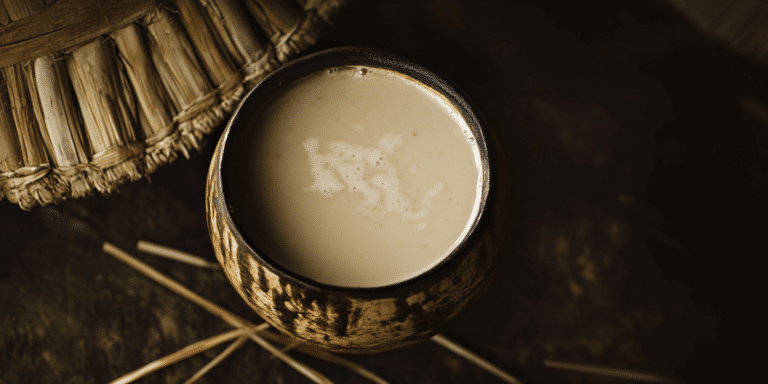
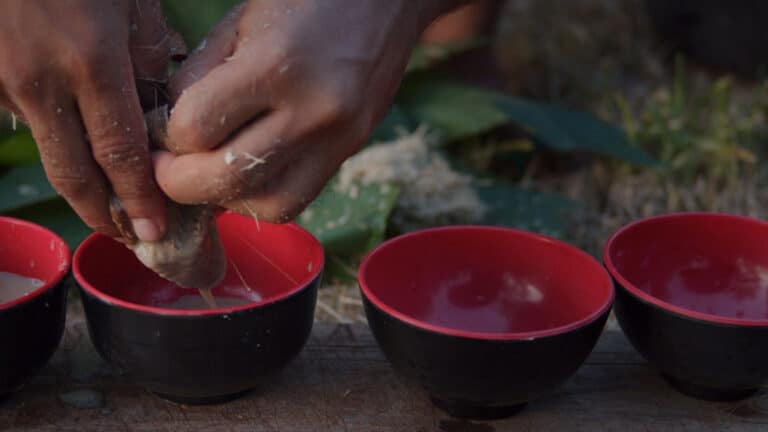
- Preparation outcomes. Whether you knead a traditional drink, stir an instant mix, or open a shot, the plant underneath still sets the baseline taste.
If you are new to the flavor, what does kava taste like? describes what most people notice on the first cup. For preparation, how to make kava and our kava tea guide cover the bowl method and quicker options.
How Källava Uses Noble Kava
Källava builds its line around noble kava sourced from Vanuatu. That choice is about the plant and the place—taste, tradition, and a clear origin story—not about promising medical outcomes.
You will find that same sourcing behind different formats:
- Kava shots for a ready liquid
- Instant kava for a stir-in drink
- Kava softgels and kava gummies for portable formats
Compare them on the kava products page, or visit a kava bar if you prefer to try a bowl in a social setting first.
What to Check on a Label
When "noble" appears on packaging, pair it with a few other details:
- Named origin (Vanuatu or another Pacific source)
- Format (powder, instant, shot, softgel, gummy)
- Serving directions that match how you plan to use it
- Brand transparency about how the root is processed
Questions about legality are separate from variety names. For a U.S. shopper overview, read is kava legal in the US?. That page is educational, not legal advice.
FAQ
Is noble kava a scientific species?
No. The plant species is Piper methysticum. "Noble" is a cultivar-group label used in farming and trade, not a separate species name.
Does noble automatically mean higher quality?
It signals a variety group with a long everyday-drinking tradition. Quality still depends on growing, drying, milling, storage, and how the finished product is made.
Is noble vs tudei a medical distinction?
No. Those terms come from grower and industry usage. They are not medical classifications and should not be read as health advice.
Why does Källava emphasize Vanuatu noble kava?
Vanuatu is closely associated with noble cultivars, and naming that origin keeps the sourcing story specific. Källava uses that root across its product formats so customers know what plant they are buying.
Noble kava, in short, is a way Pacific growers and the kava trade talk about preferred everyday cultivars. Learn the word, check the origin, and judge the rest by taste and how a brand explains its process.