What Is a Kava Drink?
If you have heard someone order a “kava drink” at a bar, seen it on a label, or watched a video of a shared bowl in the Pacific, the phrase can feel a little vague. Is it tea? A cocktail? Something else entirely?
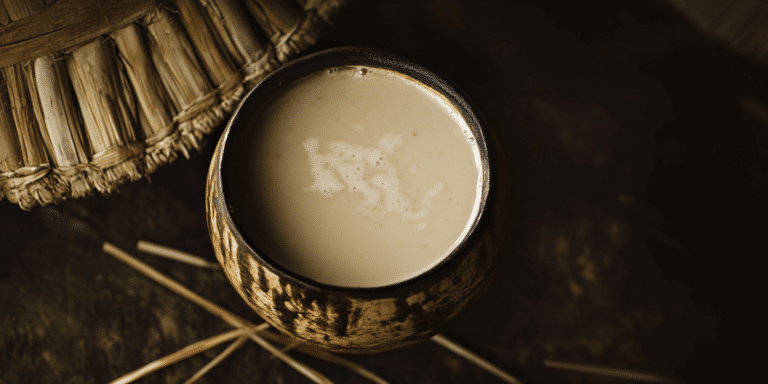
A kava drink is a beverage made from the root of the kava plant, Piper methysticum. In its classic form it is mixed with water, strained, and served in a bowl or cup. Today the same plant shows up in ready-to-drink shots, instant mixes, softgels, and gummies. The formats differ. The plant at the center of them does not.
Where Kava Comes From
Kava grows across the South Pacific. Fiji, Tonga, Samoa, Hawaii, and Vanuatu all have long relationships with the plant. In those places kava is not a trend. It is part of welcome ceremonies, village gatherings, and ordinary evenings spent talking.
Vanuatu, in particular, is known for growing noble cultivars—the group of varieties island growers have traditionally preferred for everyday drinking. That sourcing focus is why Källava starts with noble kava from Vanuatu. For a deeper look at how growers sort varieties, see our guide to types of kava.
What the Traditional Drink Is
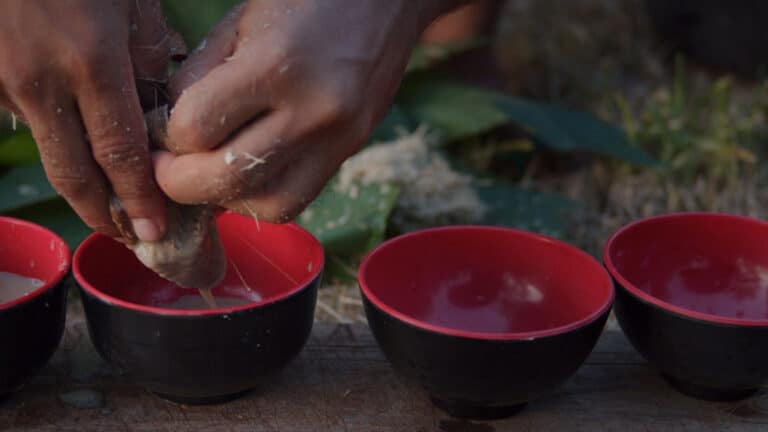
In a traditional setting, dried kava root is ground into a coarse powder, placed in a cloth or fiber strainer, and kneaded in water. The liquid turns a cloudy tan or brown. That strained liquid is the drink.
People often sit in a circle. Someone prepares the bowl. Guests are served in turn. Conversation comes with it. The ritual is social as much as it is about the cup itself. If you want the home version of that process, walk through how to make kava step by step.
Some people call the same preparation kava tea. That label is common on menus and packaging, even though there are no tea leaves involved. It is a root infusion, not a steeped leaf drink.
What a Kava Drink Tastes Like
Most first-timers describe the flavor as earthy, woody, and a little peppery. It is not sweet. Your lips and tongue may feel a light tingle after a few sips, which is normal for kava. Some people compare it to muddy water and mean that kindly; others prefer a format that softens the taste.
If you want more detail on flavor notes and what to expect from different preparations, read what does kava taste like?.
How Modern Formats Relate to the Traditional Bowl
The traditional drink is still the reference point. Modern products start from the same plant and reshape how you meet it.
Ready-to-drink shots
Kava shots are small bottles you can open and drink without kneading or straining. They keep the liquid format of a classic bowl while removing the prep. Useful when you want kava without setting up a strainer bag.
Instant mix
Instant kava is a fine powder that stirs into water. You still end up with a drink, just without the kneading step. It sits closest to traditional preparation among the modern options.
Softgels and gummies
Not every format is a liquid. Kava softgels and kava gummies use the same plant in a portable form. They are not “drinks” in the literal sense, but people shopping for a kava drink often land on them when they want something that travels easily or does not taste like the traditional bowl.
Browse the full set of Källava kava products if you want to compare formats side by side.
Kava Drinks Outside the Home
In the United States, kava bars have become gathering places where people share bowls in a social setting that echoes Pacific custom without claiming to recreate it. Ordering a kava drink at a bar is often someone’s first introduction to the plant. From there, many people try making it at home or choosing a ready format for later.
What to Look For When You Shop
A few practical checks help when you are new to kava drinks:
- Noble kava on the label, ideally with a named origin such as Vanuatu
- A clear format description (powder, instant, shot, softgel, gummy)
- Serving directions that match how you actually want to use it
Questions about legality come up often for first-time buyers. For a plain overview of the U.S. picture, see is kava legal in the US?. That page is educational, not legal advice.
FAQ
Is a kava drink the same as tea?
People often call it kava tea, but it is not made from tea leaves. It is a root mixed with water. The “tea” label stuck because the drink is served warm or at room temperature in a cup.
Do I have to prepare it the traditional way?
No. Traditional kneading is one path. Instant mix and ready-to-drink shots give you a liquid without the strainer bag. Softgels and gummies skip the drink format entirely if that suits you better.
What should a first kava drink taste like?
Expect earthy and slightly peppery, not sweet. A light tingle on the tongue is common. Start with a small serving so you can decide how you feel about the flavor.
Where does Källava’s kava come from?
Källava uses noble kava sourced from Vanuatu. That choice is about the plant variety and the growing region, not a marketing slogan.
A kava drink, at its simplest, is Pacific root meeting water—and the modern shelf of formats is just different ways of carrying that same plant into daily life.